Os roubos aumentaram na gest�o da Mil�cia em Santa Cruz

Se da mesma forma os Milicianos colocaram regras dentro das comunidades do Rodo e Antares em Santa Cruz, cobrando taxas para melhorar as condi��es da comunidade (segundo ele), da mesma forma os roubos desagradam os moradores.

Segundo informa��es, nos �ltimos meses alguns com�rcios no Antares e Rodo, foram assaltados na comunidade, e alguns saqueados na madrugada.

Mas ningu�m viu e ningu�m v�, principalmente a seguran�a da Mil�cia controlada pelo Ecko.

Dizem que os pr�prios Milicianos est�o querendo investir nos com�rcios patrocinados pelo grupo, e est�o de olhos fechados para os outros comerciantes, fazendo os mesmos desistirem do ramo.

Se existem pequeno grupo que apoiaram a Mil�cia em Santa Cruz, uma parte maior n�o quer nem saber quem esta comandando a regi�o, s� est�o tentando viver em paz, sem tiroteio e roubos na comunidade, e no �ltimo quesito, os comerciantes est�o sofrendo.

Vamos aguardar.

TCP invadiu territ�rio do CV em S�o Gon�alo

Ainda no primeiro dia do ano, as guerras entre fac��es voltaram acontecer em S�o Gon�alo.

Segundo informa��es, os traficantes do Terceiro Comando Puro (TCP) do Complexo da Alma, foram invadir a comunidade do Bichinho em Sacramento, tamb�m em S�o Gon�alo.

Foram duas horas de intenso tiroteio dentro da comunidade, gravado e relatado pelos moradores.

Parece que mesmo com a morte dos importantes do Bonde do 3N, a fac��o do TCP ainda tem planos para expandir seu territ�rio no entorno do Complexo da Alma e Jardim Miriambi.

TCP invadiu o Jorge Turco no meio do baile

Ano de 2020 come�ou com a primeira invas�o na cidade do Rio de Janeiro.

Os traficantes do Terceiro Comando Puro do bonde do “Sem Mem�ria”, entraram no Morro do Jorge Turco em Coelho Neto.

Segundo informa��es, foram no momento que estava acontecendo um evento na comunidade, e mataram 2 pessoas.

CV optou por fugir do morro em dire��o ao Faz Quem Quer (CV) em Rocha Miranda.

At� o momento n�o foi confirmado se foram pra ficar ou baquear.

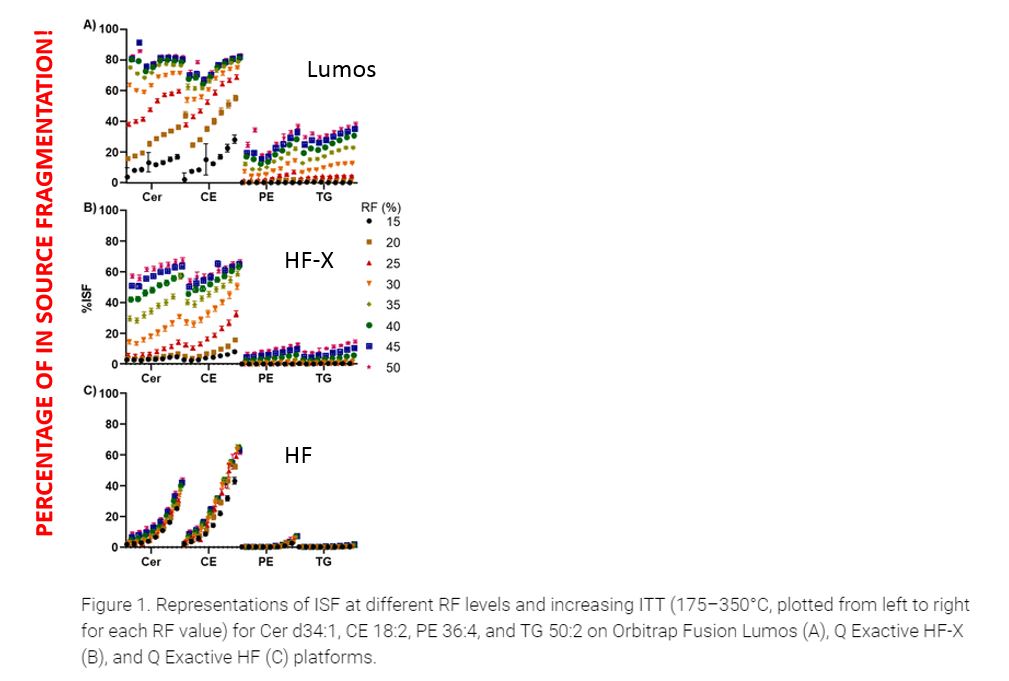
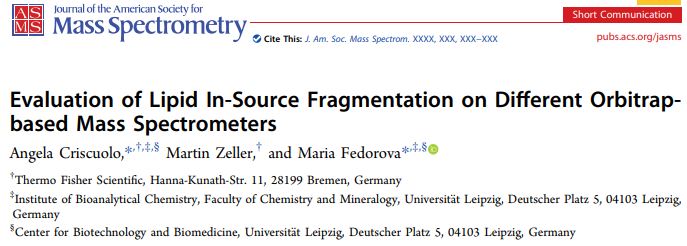
Optimizing/reducing in source fragmentation on 3 different Orbitrap systems!!

Talk about a useful study! If you’re doing tryptic peptides, maybe this isn’t all that useful, but if you are working on anything that is more fragile than that (glycopeptides? PARPylated? intact/native, metabolites…we could go on an on here) this is probably worth at least thinking about. 

On the letterbox systems (the ion tranfer tubes with the great big rectangular holes) we use lower RF% to start out with. For peptides on a Q Exactive or HF system, I typically err toward an RF of 50-60%. On the Lumos or Exploris we’re typically doing 40-45% for peptides.

The great Katie Southwick explained RF% to me years ago (I need an ELI5 once in a while) as the amount of pulling force in through the very front of the instrument. Bigger things probably want a higher %RF but you have to keep in mind that there are downsides to that extra force and you could break apart smaller or more fragile things.

In this study, this group  takes some of the more fragile things that we all hate to work on — lipids — and painstakingly compare different systems with different source conditions.

The chart at the top is the one I find the clearest and most valuable out of this great study — when I’m looking at something that is clearly fragile and I’ve looked at it on whatever instrument is available — this provides some guidelines for normalizing a setting that I probably didn’t pay enough attention to.

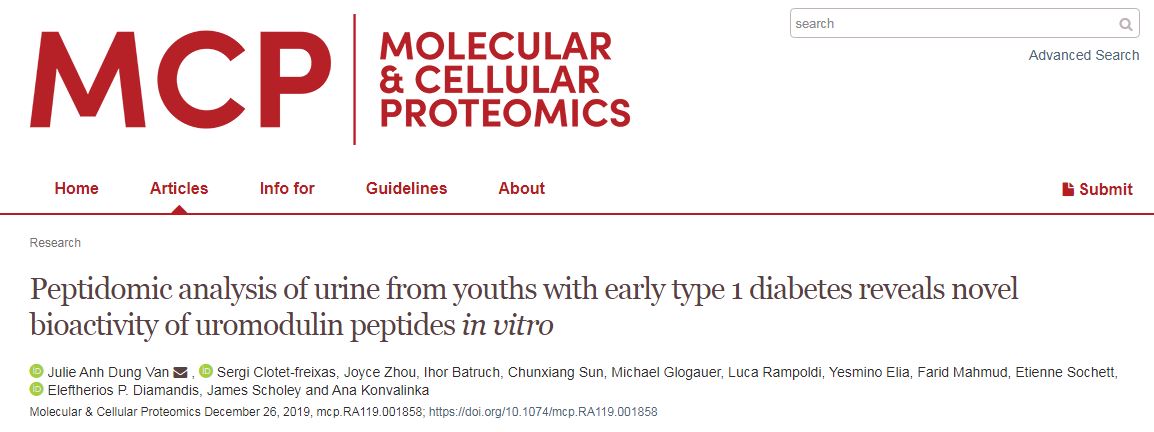
Urinary Peptidomics Reveals Diabetic Markers?!?!

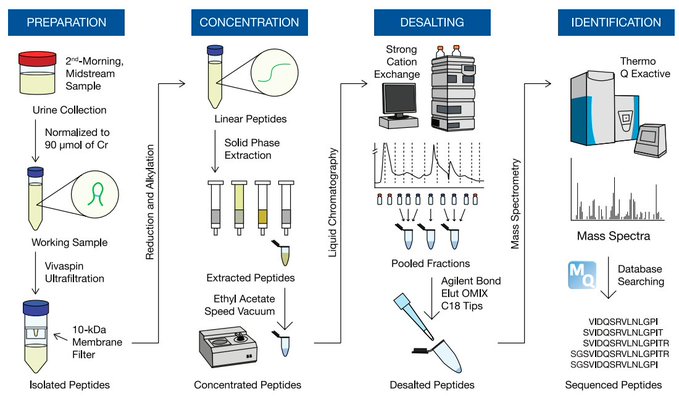
Well — if you needed a protocol for doing urine peptidomics, all the way down to standardizing everything to the urine creatinine levels (90umol, if you were wondering) and wanted some WTFourier level proof that this is a good use of your time, may I present: 

1) I didn’t know urine peptidomics was a thing
2) This group reduces and alkylate their endogenous peptides. I’m unclear on whether or not I think that is a good idea, but considering how this paper develops downstream, I’m just going to shut up and do exactly what they did.

Discovery was all done on a Q Exactive coupled to a slEasyNano 1000 using an interesting Agilent column I’m not familiar with (post SCX fractionation? SAX? I forget now and I’ve got stuff to do).

Validation? Well — they tripled the speed of the mass spec and increased the speed of their separation by over 7 orders of magnitude with an EvoSep coupled to an HF-X. (I guess the EvoSep isn’t 1e7 times faster, but is sure feels like the slEasyNLC is taking the length of a human lifetime to load a single sample.

All the data is up on ProteomeXchange and Panorama, but you should read this great paper and find the links yourself!

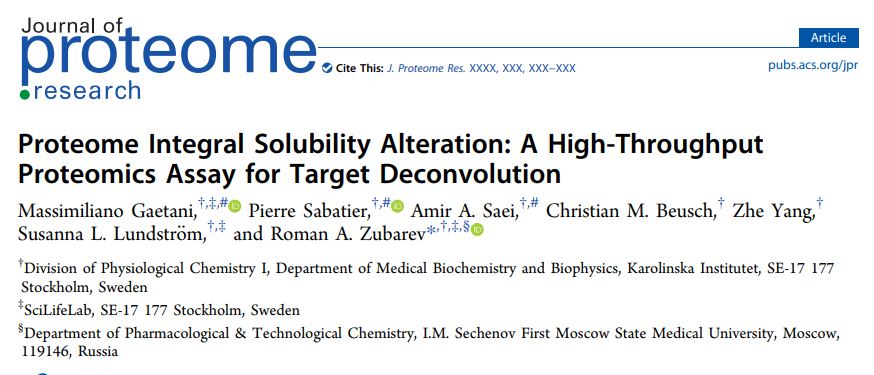
PISA — Multiplex Thermal Proteome Profiling!

Want to massively increase the speed of your drug mechanism elucidation/ drug target workflow? Back your bags for PISA!

Nope. Not that one. This one! 

Proteomics Integral Solubility Alteration! (PISA is a much better name).

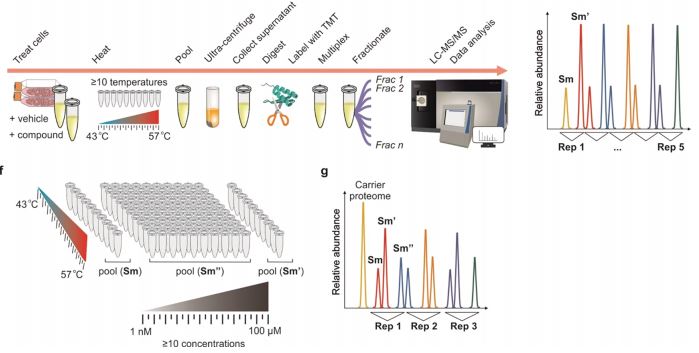
What’s it do? It multiplexes Thermal Proteome Profiling — in the context of drug treatment. Here is a post that will link you to two of the previous studies (including the Nature protocol for ThPP).

The idea is that if your drug binds to some proteins it’s going to change the proteins inherent 3D stuff. One readout of that will be a change in the protein’s behaviour at different temperatures. In ThPP (an acronym I may have just made up so I don’t confuse this with the TPP thing on my desktop) you look for how things change in your proteome at different temperatures. Check out the protocol. It’s tough is lots of room (in my mind) for human error to lead you to false positives.

One way in proteomics to reduce quantitative error? Multiplexing!

One way to reduce quantitative error in everything? More samples!

PISA uses both of these to end up with a TMT quantitative readout of how the proteome changes at a global level (with both 1D and 2D fractionation for TMT seamlessly integrated just as you’d expect from a TMT based experiment) with lots of replicates all multiplexed together.

The Case for Proteomics and Phosphoproteomics in the Clinic!

After a couple of days of somewhat successfully skirting any discussion of politics with my family for the holidays – with one extremely notable exception, I’m so pumped to type something that people with a similar mindset might read one day.

What about this for building some consensus?

Where are we now? What are the challenges ahead? What do we need to do next? Yo, I’ll let them tell you what….

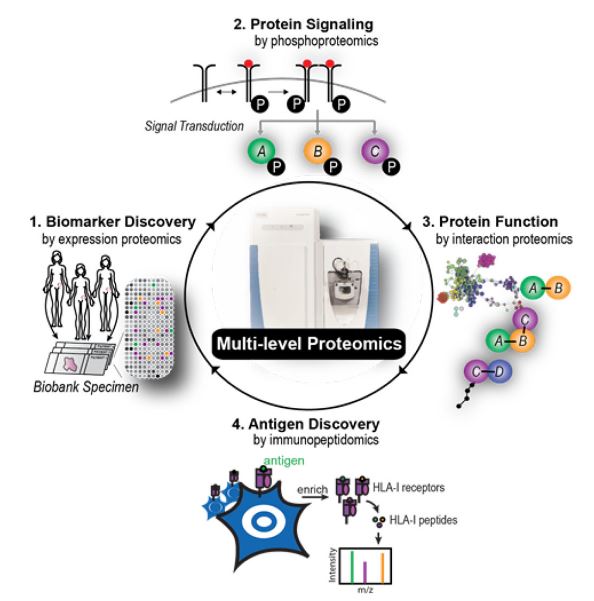
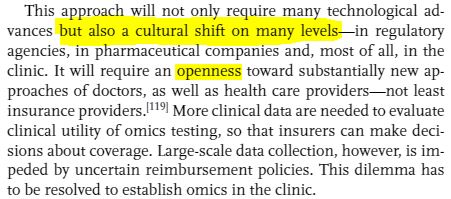
This review has study after study that has shown the promise of proteomics to impact patient health. Now — you can probably guess where the big technological need is in the personalized space from the picture at the top. HLA peptides still suuuuuuuck. Blech. Yes. We need help on that side, but from many of the other areas we’re good to go. We just need a shot. And …as the paragraph above says …more chances to prove that we know how to do this stuff.

I highlighted my favorite words: because you know what the medical community is good at? Openness to shifts. That’s me being sarcastic, if you can’t tell.

I love the angle on the phosphostuff here, because you sure don’t here these cancer people in the clinic talking about protein abundance all that much — they’re all rambling about the “phospho status” of this protein or that one, and doing Westerns and ELISAs to check them. Which, yo, it’s almost 2020. Western blots are fucking stupid. I’m not the first person to say that, but if you need someone to reference that statement to, I’m cool with you quoting me. Here’s some semi-coherent reasons why. I’m pretty sure ELISAs are stupid as well, but I’m not sure I’ve ever actually done one, so I’m not sure I feel qualified to make such a strong statement.

A big thing that we’re kind of missing in our realm might be the incorporation of -omics data with clinical data. We’re not exactly running away with loads of stuff that can help us make these connections, but — realistically — we can steal that stuff from the GWAS people!  (There are good examples, of course, but they aren’t integrated into a lot of the more common software programs.)

This is a beautiful, optimistic, and valuable review and — I’m a few months late on posting it (11 months) but it is definitely worth a read!

PeakOnly — Deep learning Python code for finding your MS1 features!

There are a lot of ways to find compound peaks in your data, but some compounds/peptides (particularly modified ones) just have lousy elution profiles. Sometimes you just have to go in and look yourself. Isn’t that what all this AI/Machine Learning/Deep learning baloney is supposed to be doing for us? Automating tasks that are a little bit harder?

Maybe this is gonna help!?!?

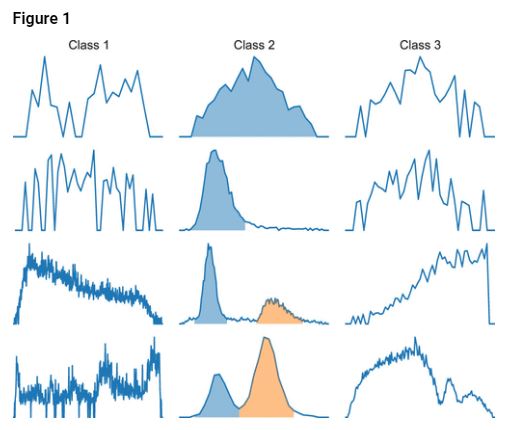
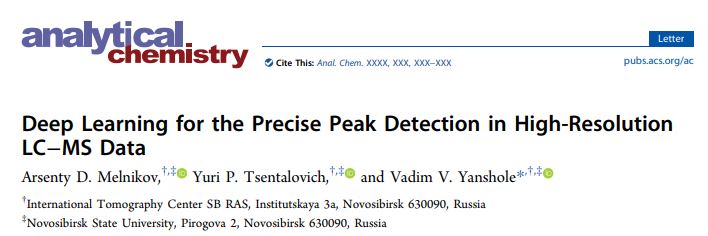
PeakOnly uses Deep Learning to classify peaks. It is meant for metabolomics and was optimized on 1-3 Hz MS1 data, but I’m still putting it here because there is a very short list of things that will make lists of your MS1 peaks and their abundances (quantifying the stuff you didn’t identify) and I’ll probably need this sooner rather than later.

You can get PeakOnly at this Github. It doesn’t blow the traditional peak detection stuff away or anything, but it does identify some compounds here and there that XCMS misses. It makes for a solid proof of concept study with open (with MIT license?) code that deserves a look. I mean…I’m not having trouble with the high abundance ones with the perfectly gaussian distributions…I need help identifying the lousy ones….

Your Holiday Gift from MCP is a special issue on ProteoGenomics!

Okay — it says it was online in August, but this is the first time I’ve seen it and MCP’s Twitter just showed this crazy cool cover from www.brushwithscience.com

You can check out the full special edition here.

I’ve rambled about ProteoFormer on here before. (RiboSeQ + Proteomics data analysis)

MetaQuantome deserves a revisit later. I’m writing this sentence for myself, mostly. It looks like a more sensitive way of breaking down complex microbial communities with metaproteomics.

I can’t pretend I’ve done more than flip through these (I’m either luckily flipping through or most/all are open access?) but I landed on a serious distraction on my way through.

WTFragmentation is this!?!??

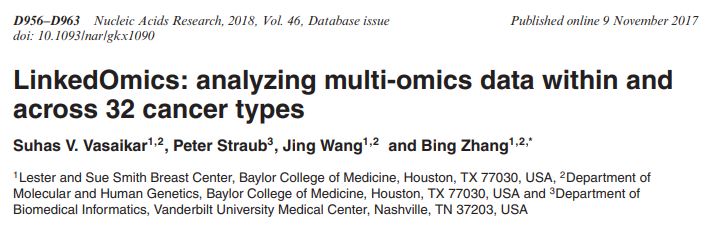
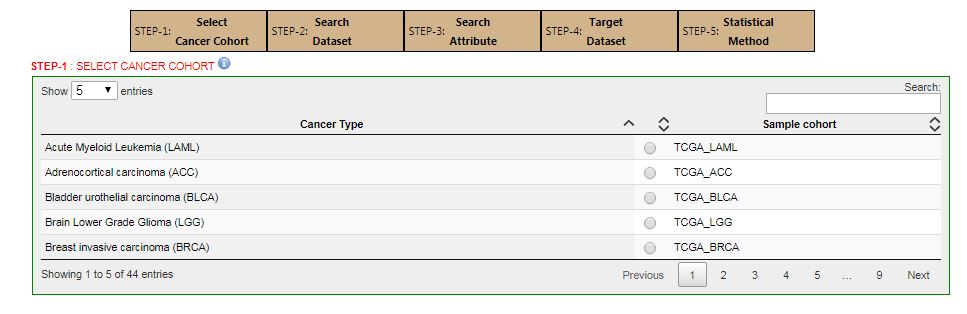
A new study from Zhang Lab interrogates data from both TCGA (the Cancer Genome Atlas) and CPTAC by both downloading the data from it and by doing some analysis directly on the site.

Not sure how I missed it or forgot about it, but it deserves some clicking around to see what it can do!  You can check out LinkedOmics here.

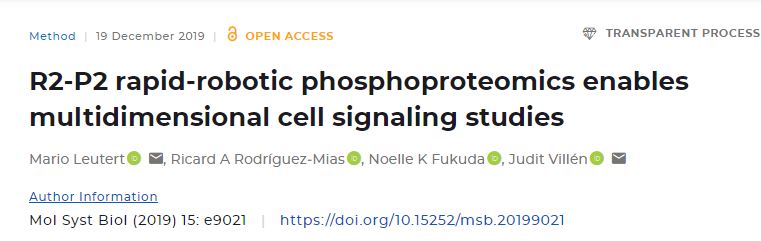
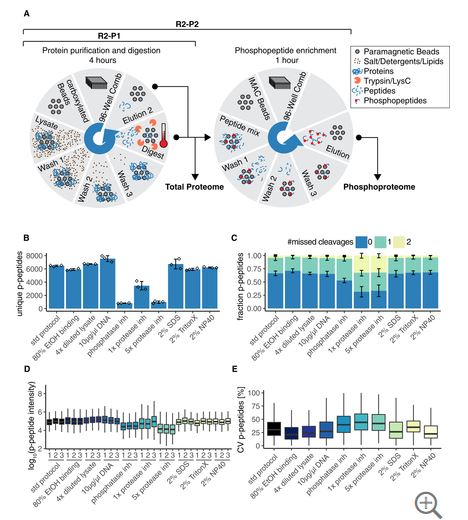
R2-P2 — The robot method that’ll make large scale phosphoproteomics realistic!

Try forgetting the name of this great new method (you’re welcome! this is the kind of stuff I contribute to society)!

And if it brings some awareness to a fantastic new study that shows some demonstrates a way to fix several of the fundamental problems in my field, then it’s worth it to me if a few more people think I’m an idiot than did yesterday.

I hate phosphoproteomics and I bet you do too. Sure, maybe it pays the bills, but it’s a terrible situation for everyone. The phosphopeptides themselves are finicky. You can’t mess around. If you even lyse the sells just a little bit slower than last time it seems like things have changed. And I don’t care what kit you’re looking at. You’ll see 3 barely visible beads in the lid of the tubes you bought and you’ll think, just for a second, about maybe calling out sick the rest of your career. And even when you (or someone way better at sample prep than you, in my case) does everything perfect the replicates are often still sad. There are too many variables — there is too much sample handling. There are too many steps. There are too many places where a pH off by 0.1 will ruin the number of those awful looking fragmentation spectra that you’re going to get in the end.

Would someone please just find an affordable robot and do the most incredibly boring study in the history of the galaxy and just work out every miserable variable and just provide a realistic way to do large scale phosphoproteomics prep???  That’s all I’m asking for.  Oh — and please make it open access. I’m off campus….

How does R2-P2 do?

Cheap Robot? BOOM!

KingFisher!! (Not OpenTrons cheap, but affordable as robots go [and, btw, if you didn’t know, it is marketed by multiple companies under different names with different lables on it. Shop around, you can get them 1/2 or 1/3 price depending on if it says RioBad or FermoTisher or something else (I forget the third one). Not making that up.

All the boring details worked out?  BOOM!

This group did everything. I respect and pity them for the amount of work this study must have been (I guess it got easier once the robot was functional)

Compatible with large scale?

BOOM!

Maybe yeast phosphoproteomics isn’t the most complex system, but they do a bunch of replicates and perturb some central MAPK systems and the data looks awesome. It seems very realistic that you could scale this up to larger systems easily.

And the paper is open access!

Look — this isn’t the first automated phosphoproteomics prep system, and it won’t be the last, but this checks all the right boxes. 100% recommended paper.

You’re fragmentation spectra will still look like garbage, but that’s physics and chemistry and stuff — what we need is a reproducible way of getting to the same garbage spectra every time.
Design a site like this with WordPress.com
Get started